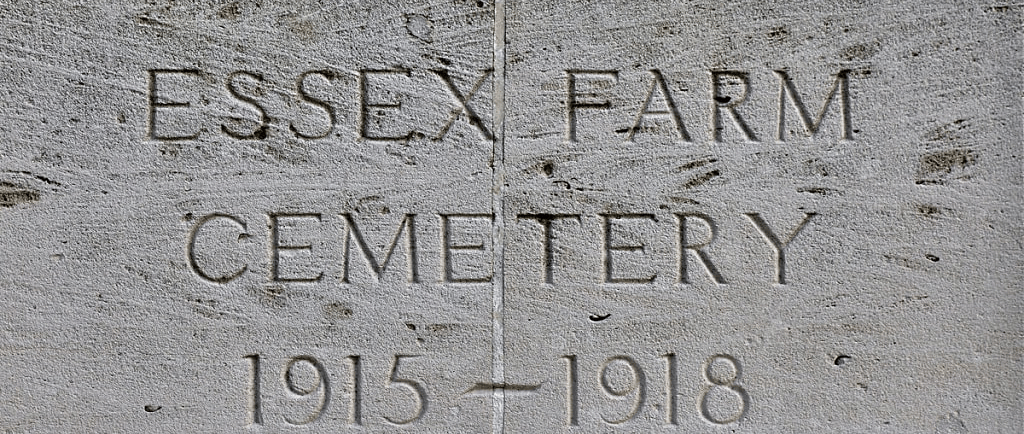
Essex Farm Cemetery & Dressing Station
ROYAL MARINES
Scott Barron
1/28/20255 min read
History of the location
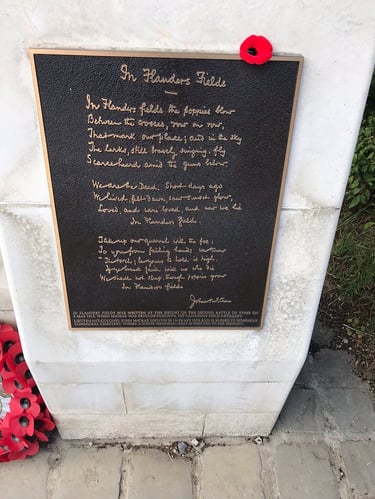
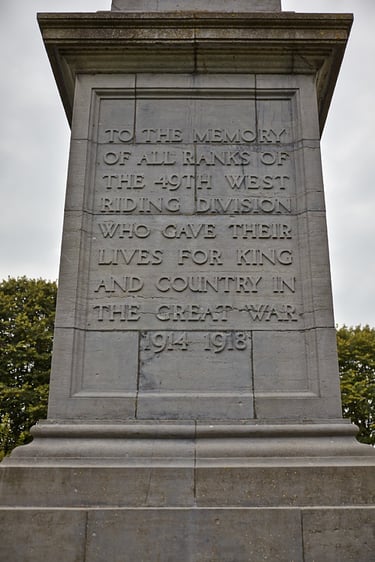
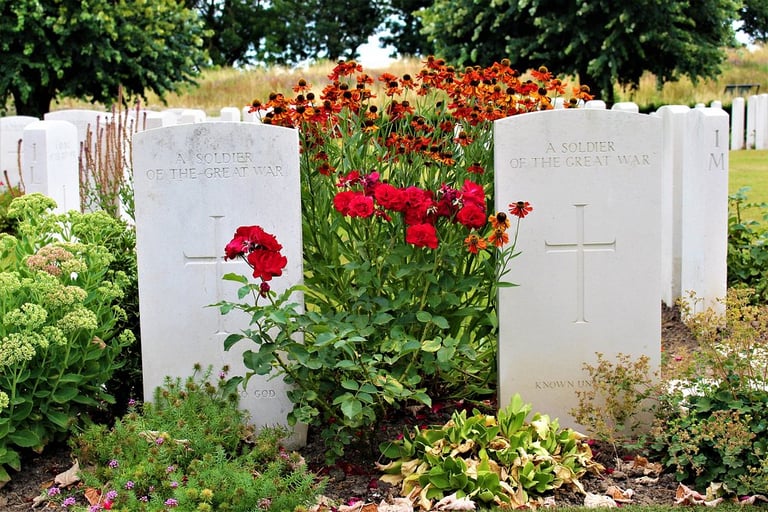
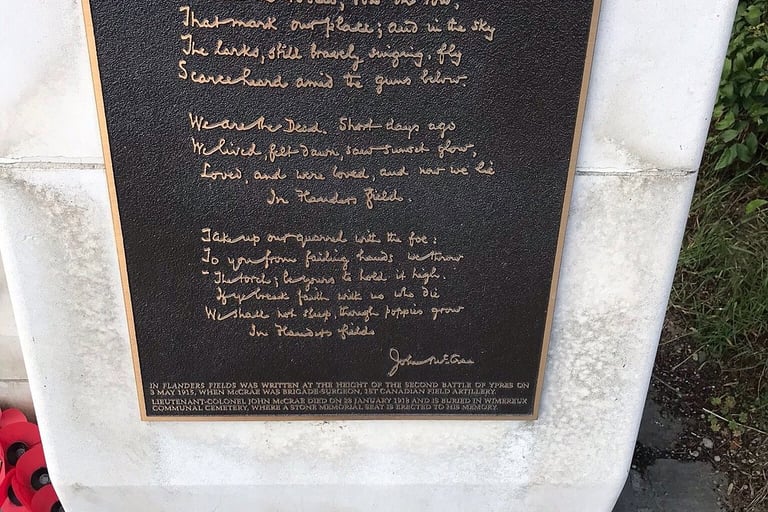
This location is perhaps most famous as being the place where John McCrae wrote the poem ‘In Flanders Fields’, and you will see a copy of his original handwritten poem cast in metal next to the hill were he sat to write the poem, but there are over 1,000 soldiers buried or commemorated here. Of these over 100 were not able to be identified. The plots contain the dead of the 49th West Riding Division and the 38th Welsh Division. The French Army began burials here during the First Battle of Ypres (19th October to 22nd November 1914). The French Army occupied this area until April 1915 and had originally buried their dead here until they were reburied in a French military cemetery after the war.
Use this link to find a grave - https://www.findagrave.com/cemetery/1966580
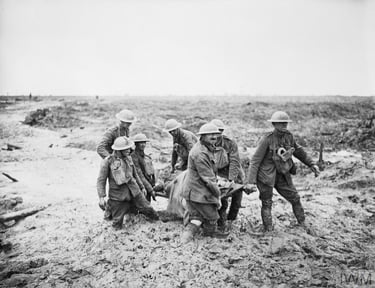
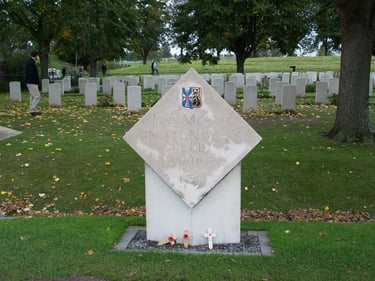
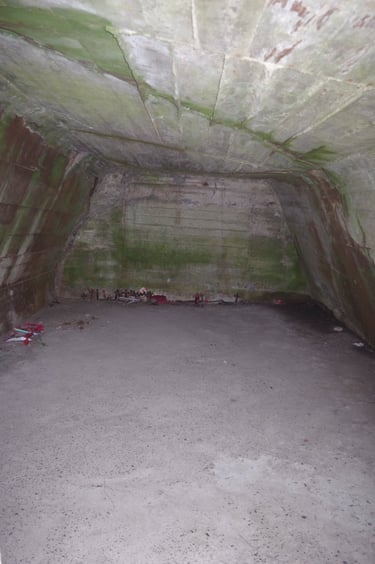
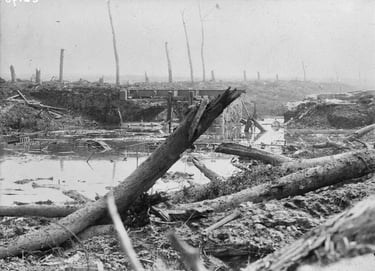
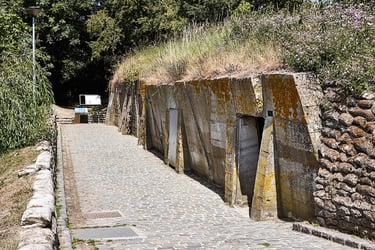
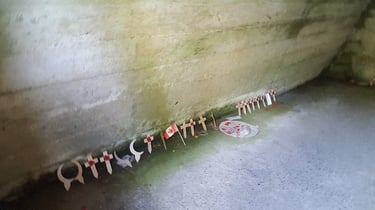
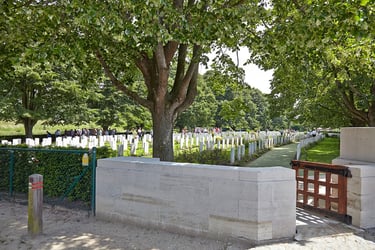
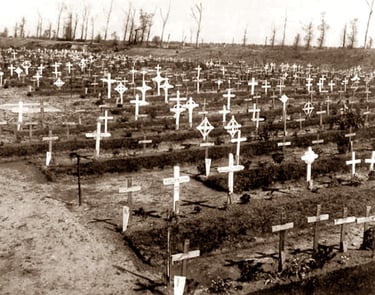
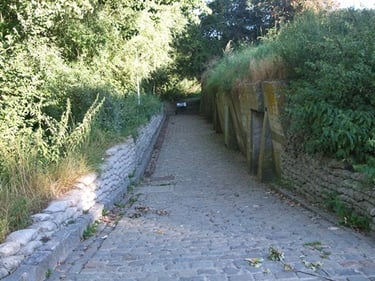
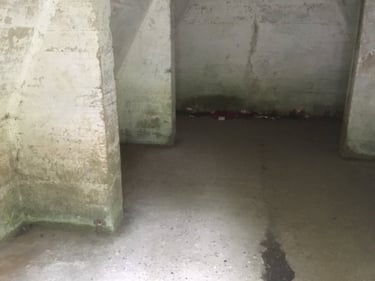
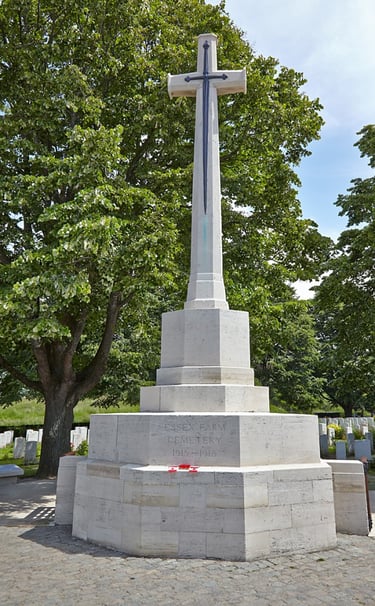
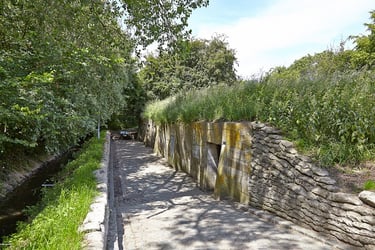
In April 1915 the British Army extended the Front Line taking over a large section from the French Army which included the Essex Farm area. When the Second Battle of Ypres began the German Army attacked with gas and Canadian field guns were brought to the western canal bank to assist the British and French Armies. Essex Farm was located on Bridge Number 4, also known as Brielen Bridge and to deal with the casualties in the area the Canadian Field Artillery set up a basic dressing station near Essex Farm.
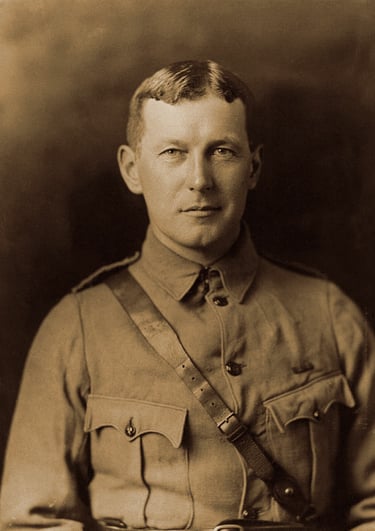
John McCrae (30th Nov 1872 - 28th Jan 1918)
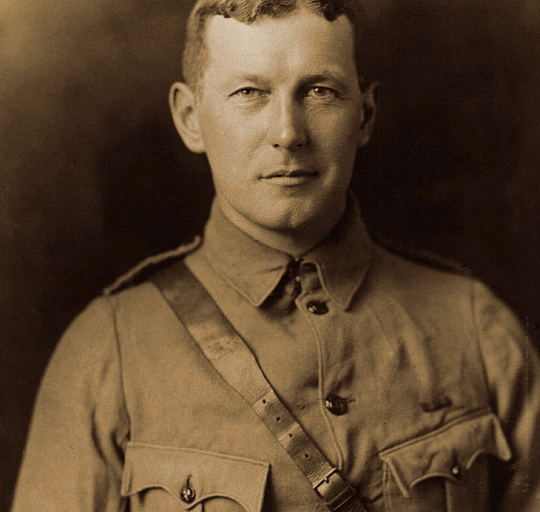
Major John McCrae was a medical doctor and second in command of the 1st Canadian Field Artillery during the Second Battle of Ypres. There are conflicting stories of why John McCray wrote his famous poem ‘In Flanders Fields’ on the evening of 2nd May 1915. After treating hundreds of soldiers as they arrived at the dressing station, and seeing many buried, the arrival of one particular soldier especially affected him. Lieutenant Alexis Helmer was a good friend of McCrae who he is reputed to have known before the war began.
On 2nd May, Helmer was killed instantly after being hit by a German artillery shell. His remains were gathered and laid onto a blanket for burial and it was McCrae, in the absence of a chaplain, who conducted a simple service at the graveside. A wooden cross marked the grave, however it became lost and Helmer is now commemorated on the Menin Gate Memorial to the Missing (Panel 10).
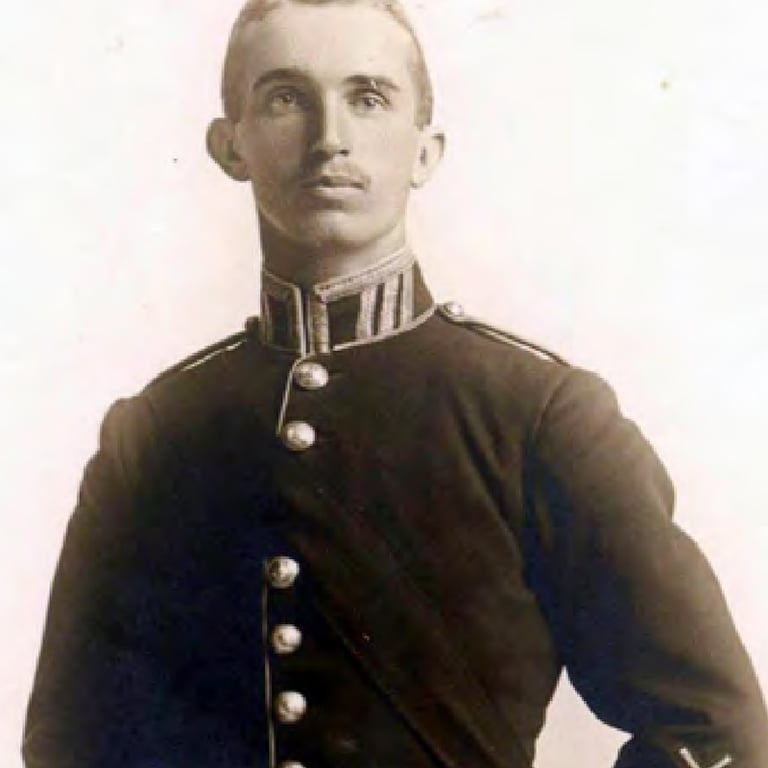
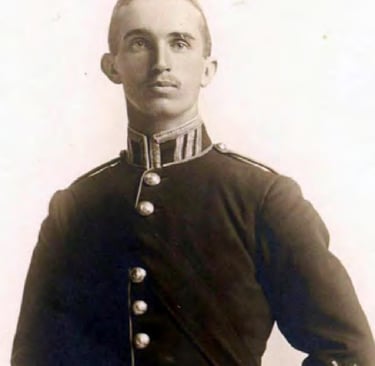
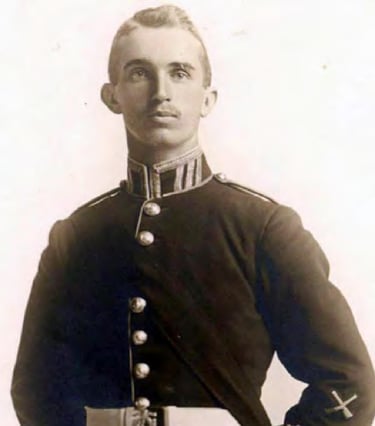
Alexis Helmer (died 2nd May 1915)
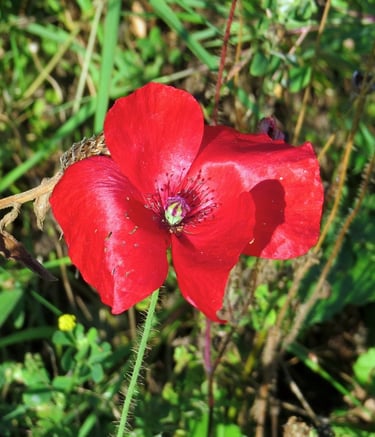
It is thought that McCrae began the draft for his famous poem ‘In Flanders Fields’ on the evening of the 2 May. Following the death of Helmer, he sat on a hill and wrote the poem in twenty minutes after noticing red poppies growing amongst the graves in the burial ground.
IN FLANDERS FIELDS
In Flanders fields the poppies blow
Between the crosses, row on row,
That mark our place; and in the sky
The larks, still bravely singing, fly
Scarce heard amid the guns below.
We are the Dead. Short days ago
We lived, felt dawn, saw sunset glow,
Loved and were loved, and now we lie
In Flanders fields.
Take up our quarrel with the foe:
To you from failing hands we throw
The torch; be yours to hold it high.
If ye break faith with us who die
We shall not sleep, though poppies grow
In Flanders fields.
Lieutenant Colonel Morrison wrote about the area where Helmer was buried;
“A couple of hundred yards away, there was the headquarters of an infantry regiment and on numerous occasions during the sixteen day battle, we saw how they crept out to bury their dead during lulls in the fighting. So the rows of crosses increased day after day, until in no time at all it had become quite a sizeable cemetery. Just as John described it, it was not uncommon early in the morning to hear the larks singing in the brief silences between the bursts of the shells and the returning salvos of our own nearby guns.”
What to look for
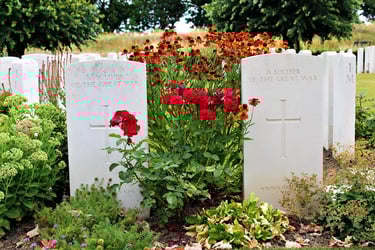
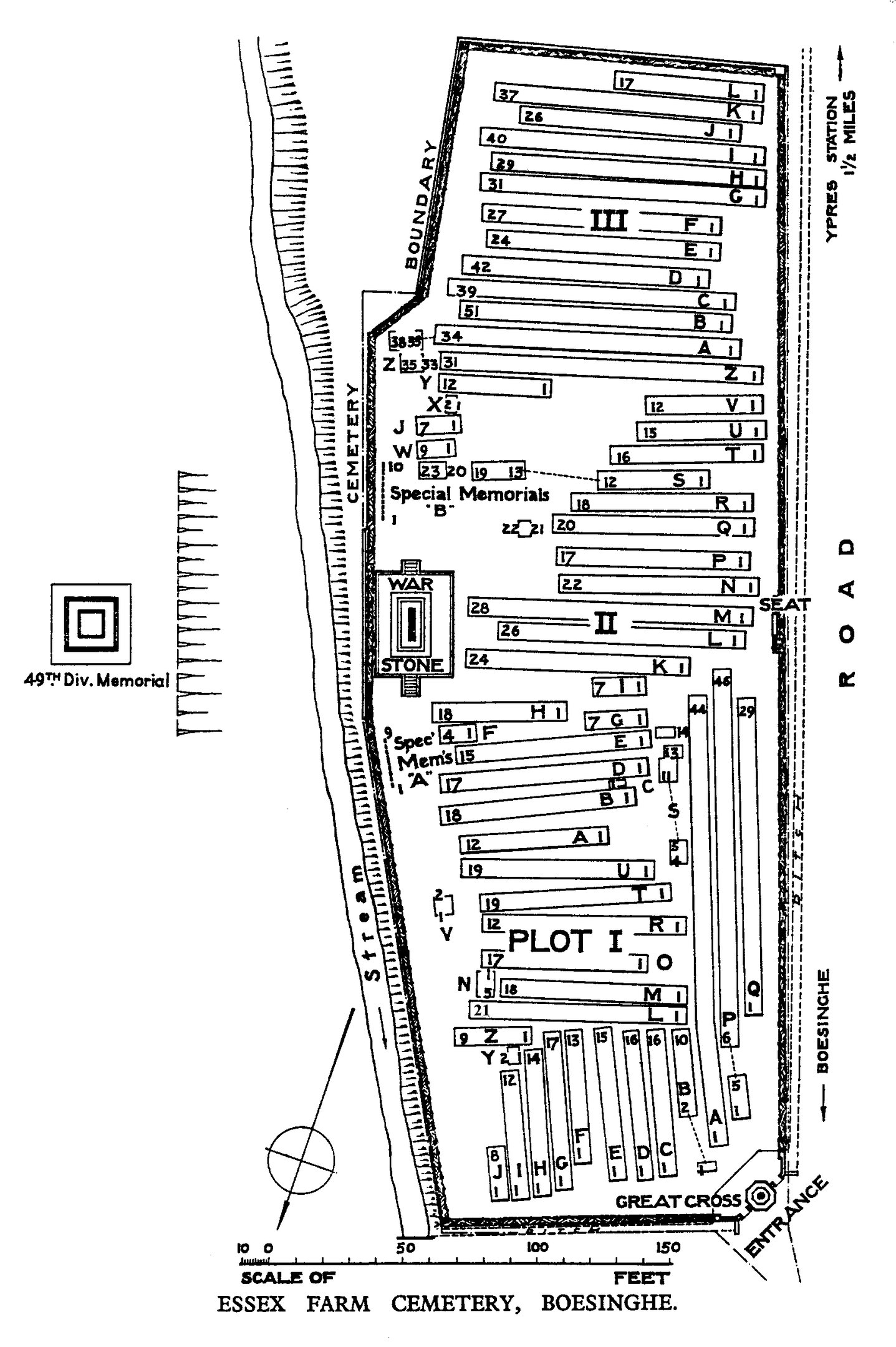
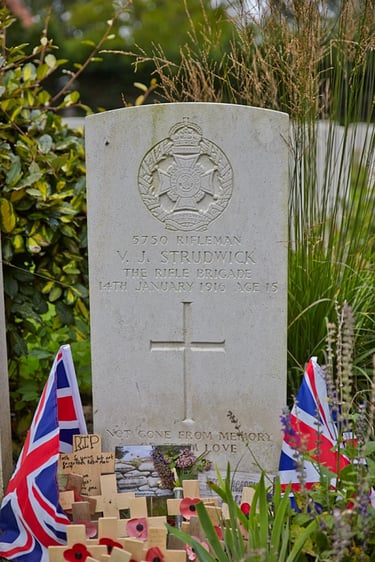
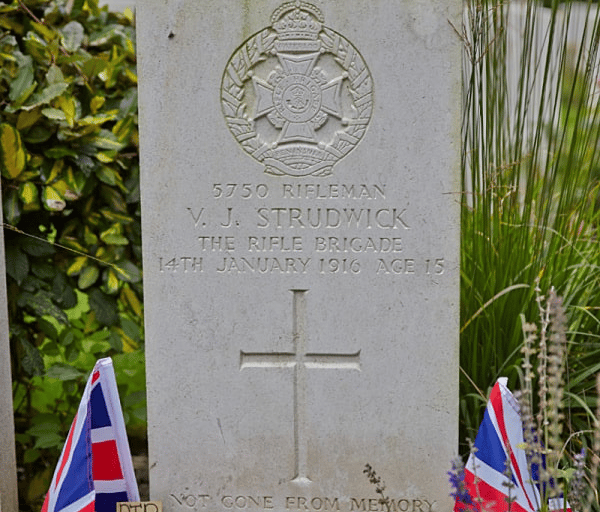
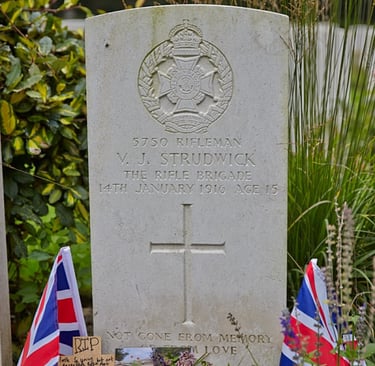
The grave of Rifleman Valentine Joe Strudwick. He was aged 15 when he died on 14th January 1916. His final resting place can be found in Plot 1, Row U, Grave 8.
Pte Valentine Joe Strudwick of the 8th Rifle Brigade, joined up twelve months ago, and at the time of his death...had not reached his sixteenth birthday... a fine example to those of maturer years who have not yet joined up...'
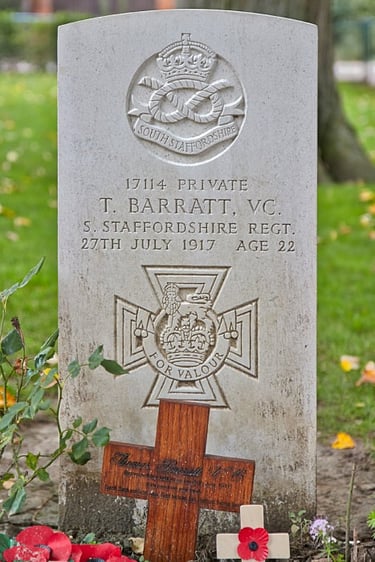
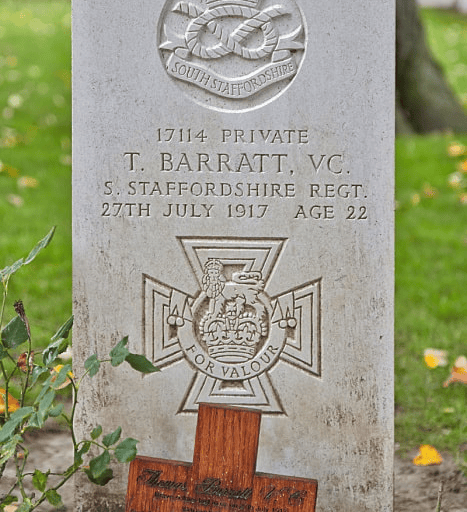
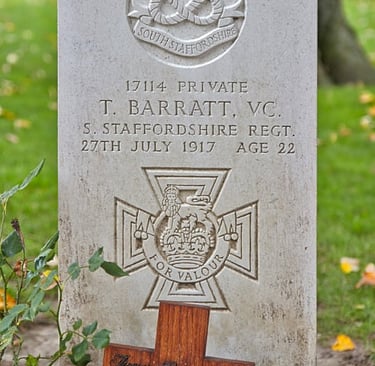
The grave of Victoria Cross Winner, Private Thomas Barratt of the South Staffordshire Regiment. Awarded on 27th July 1917 for stalking and killing enemy snipers whilst under fire.
Citation
An extract from "The London Gazette," No. 30272, dated 4th Sept., 1917, records the following:-
"For most conspicuous bravery when as Scout to a patrol he worked his way towards the enemy line with the greatest gallantry and determination, in spite of continuous fire from hostile snipers at close range. These snipers he stalked and killed. Later his patrol was similarly held up, and again he disposed of the snipers. When during the subsequent withdrawal of the patrol it was observed that a party of the enemy were endeavouring to outflank them, Pte. Barratt at once volunteered to cover the retirement, and this he succeeded in accomplishing. His accurate shooting caused many casualties to the enemy, and prevented their advance. Throughout the enterprise he was under heavy machine gun and rifle fire, and his splendid example of coolness and daring was beyond all praise. After safely regaining our lines, this very gallant soldier was killed by a shell."
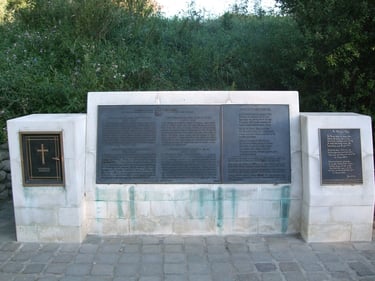
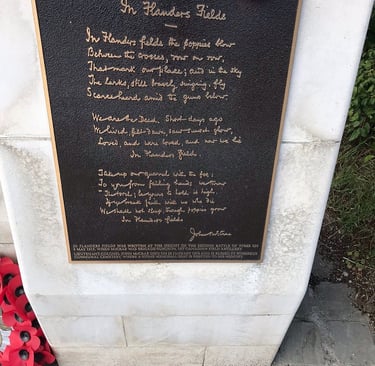
A metal casting of the McCrae’s original hand-written poem.
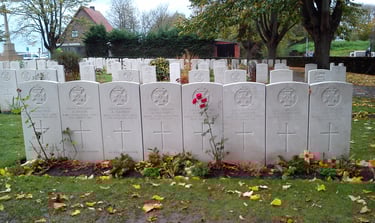
The graves of eight men of the same unit, all killed on the same day.
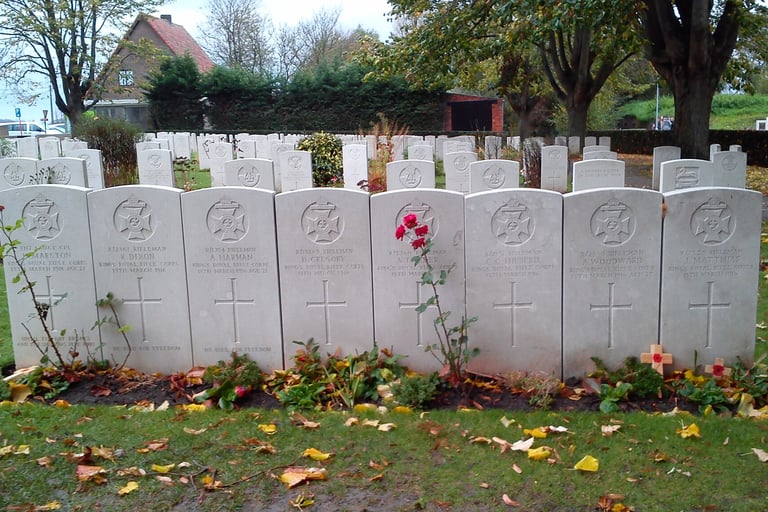
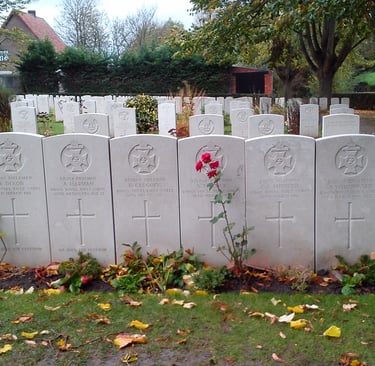
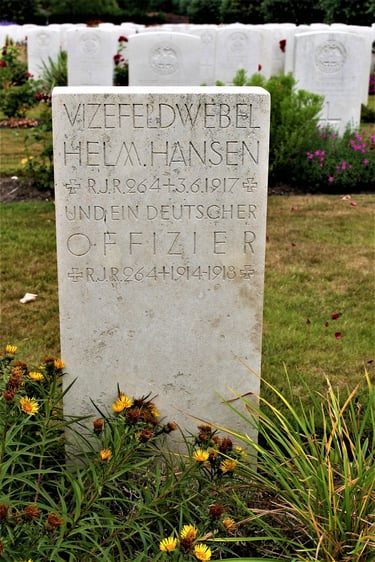
The graves of German soldiers buried here.
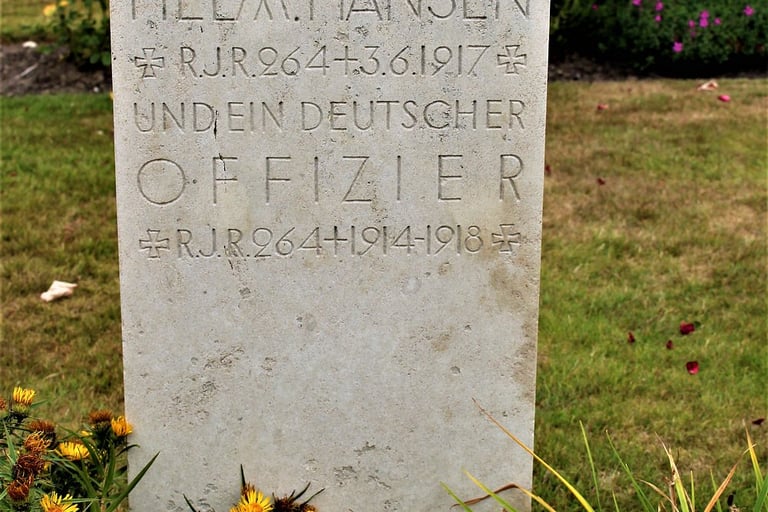
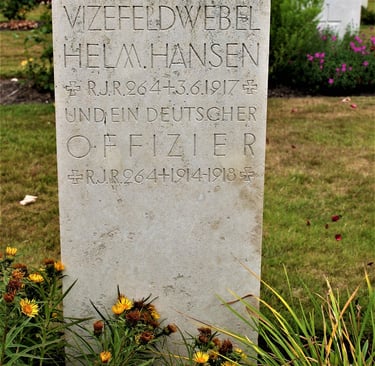
How to get there
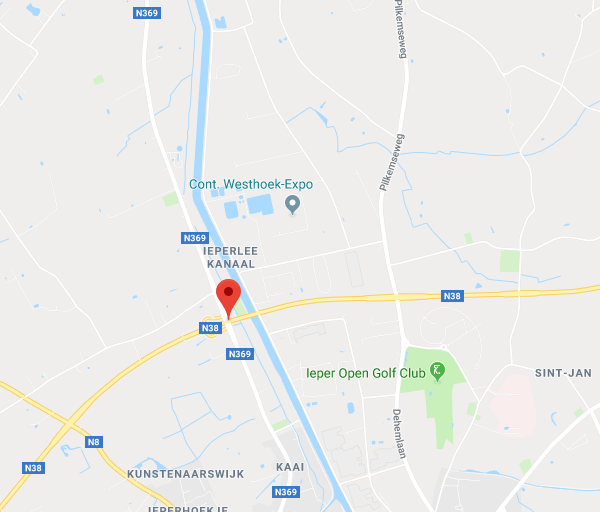
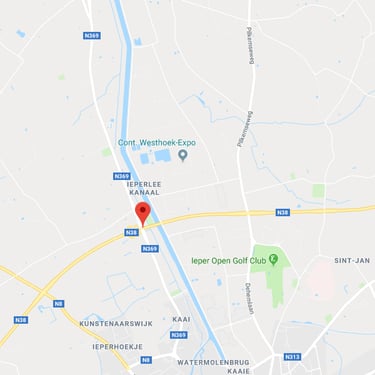
Located north of Ypres and can be reached by following the N369 from Ypres travelling north towards Boezinge. The road passes under the N38 truck road just outside of Ypres and you will see the cemetery on the right hand side of the road shortly after this as you continue north. The area is popular with cyclists as they access the cycle paths along the canal. Parking is available outside of the cemetery but take care when exiting your car as it is next to a busy road.
Cemetery Map